Auto BazarAuto Bazar
HomeCarsCar PartsReal EstateCar RentalRetreats & Hotels
Post a listing
Auto Bazar

Auto Bazar

Syria's #1 marketplace for cars & real estate

Follow us

  • Facebook
  • Instagram
  • TikTok

Categories

  • Cars
  • Car Parts
  • Real Estate
  • Car Rental
  • Retreats & Hotels

Legal

  • About us
  • Privacy
  • Terms
  • Support
  • Blog
  • Delete account

Get the app

Download on the App StoreGet it on Google Play
All about the app
© 2026 Auto Bazar. All rights reserved. Powered by Alenjaz
HomeSearchPost a listingFavoriteMy Account
Home/Blog/Buying a Used Motorcycle in Syria: Inspection, Papers and What to Avoid

Buying a Used Motorcycle in Syria: Inspection, Papers and What to Avoid

November 12, 2026·4 min read

In this guide

  • What the Motorbikes section will contain
  • Legal status first
  • How to pick the right bike
  • The pre-purchase checklist
  • The test ride
  • Papers and the frame number
  • The helmet: don't buy it used
  • If you're selling your bike
  • In short

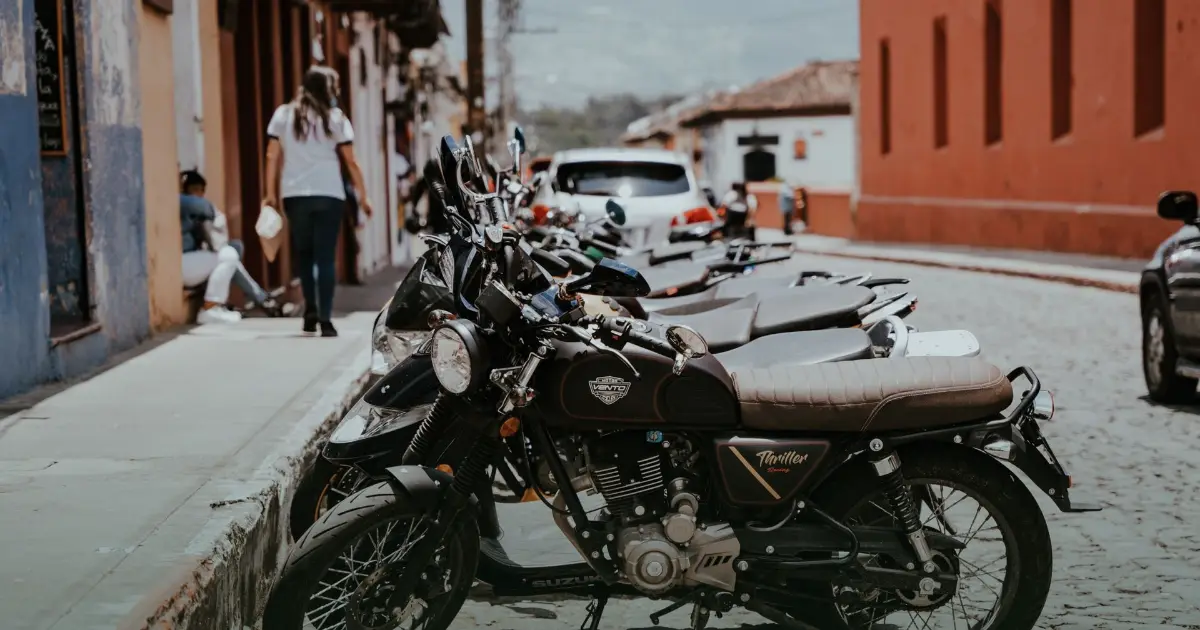
In Syria a motorcycle is a work tool and a way to get around before it is a hobby: for getting to work through city traffic, for deliveries, and for the countryside where distances are long and public transport is thin, at a fraction of a car's fuel cost. That keeps the used market busy, but it is also full of worn-out bikes and murky paperwork. Auto Bazar is preparing to open a Motorbikes section, and this guide gathers what you need to know before you buy: how to pick the right bike, how to inspect it, and what to check in the papers.

What the Motorbikes section will contain

  • Motorcycles: standard, sport, cruiser, off-road, touring, classic and cargo bikes.
  • Scooters: for everyday city riding.
  • ATVs, quads and buggies: ATV, UTV and buggy.
  • Tricycles and tuk-tuks: for transport and work.
  • Parts, helmets and gear: helmets, clothing, engine parts, wheels, brakes, electrics, bodywork.

The section supports both sale and rent by the day, week or month. Every listing has the key fields: make, model and year, engine size in cc, mileage, fuel (petrol or electric), gearbox, body type, colour, and the legal status: registered, customs-cleared without plates, or unregistered. That one field answers the most important question in the motorbike market.

Legal status first

Before condition and price, find out the bike's legal status, because it decides whether you can ride it without trouble and whether you can sell it later. Registration and plate rules differ between areas and change over time, so don't rely on the seller's word alone: ask the transport directorate or traffic authority in your area about the bike you plan to buy before you pay. An unregistered bike can look like a bargain, but its real cost shows up later.

How to pick the right bike

  • For the city and short distances: a scooter or a small-engined bike. Lighter, easier in traffic and cheaper on fuel.
  • For roads between cities, or with a passenger: a bigger engine that holds speed without strain, and stronger brakes.
  • For work and hauling: a cargo bike or tricycle; check the load capacity and the condition of the rear suspension.
  • Parts availability: a common model has parts that are easy to find at a reasonable price; a rare one can wait weeks for a part. Search for the model's parts before you buy, just as you would for a car in the parts availability guide.
  • Electric: quiet and fuel-free, but the battery is the heart of its value. Ask how old it is and the real range per charge, and think about where you'll charge it during power cuts.

The pre-purchase checklist

  1. Cold start: ask the seller not to start it before you arrive. A hard start or metallic noises when cold reveal what a warm engine hides.
  2. Smoke: blue smoke means it's burning oil; thick white smoke that doesn't clear once warm is a bad sign.
  3. Chain and sprockets: hooked or pointed sprocket teeth and a very slack chain mean a cost coming soon.
  4. Brakes: pad thickness, deep scoring on the disc, and clean brake fluid.
  5. Front forks: any oil on the fork tubes means the seals need replacing.
  6. Steering: turn the bars left and right with the front wheel lifted. A notchy feel means worn steering head bearings.
  7. Wheels and tyres: a bent rim, loose spokes, cracked or old tyres.
  8. Frame: look for welds or cracks, and signs of a fall: scraped levers, bent handlebars, plastic panels in mismatched colours.
  9. Electrics: lights, indicators, horn and dashboard.
  10. Gearbox and clutch: smooth shifts between gears, and a clutch that doesn't slip under acceleration.

If you're not an expert, bring a motorbike mechanic. The upcoming services section will list motorbike repair among its car services.

The test ride

Put on a helmet before the test, and start slowly to test the brakes first. If you're not used to this type of bike, ask the seller to ride it in front of you and watch its stability, shifting and sound. Note that many sellers ask for a guarantee before a test ride, which is understandable; agree on it clearly.

Papers and the frame number

Match the seller's name on the papers with their ID, and the frame and engine numbers on the bike with the papers. Any scratched or unclear number is reason enough to walk away. The same principles that protect you when buying a car apply here, and they're explained in how to check a car isn't stolen, mortgaged or under seizure.

The helmet: don't buy it used

The helmet is the most important thing you buy with the bike. A helmet that has taken a single fall can look perfect on the outside and have lost its protection on the inside, and there's no way to tell. Save on anything else, but buy a new helmet in your size.

If you're selling your bike

Photograph it from both sides and the front, plus the engine, the odometer and the tyres. State clearly the legal status, engine size, mileage, last service and any fault you know of. A buyer who finds that information in the listing calls as a serious buyer. Use the ready-made listing templates and adapt the car template for a bike.

In short

Legal status first, then a cold-start engine check, the chain, brakes, forks and frame, then matching the numbers to the papers. When the Motorbikes section opens, you'll find it in the category list with filters for engine size and legal status. Until then, never send a deposit for a bike you haven't seen, and read the rules for buying safely online.

Frequently asked questions

What should I check first before buying a used motorcycle?

The legal status: registered, customs-cleared without plates, or unregistered. Ask the traffic authority in your area about the bike before paying, because it decides whether you can ride it and sell it later.

What does blue smoke from a motorcycle mean?

Usually that the engine is burning oil, a sign of internal wear that needs an expensive repair.

Should I buy a used helmet?

No. A helmet that has taken a fall can look fine and have lost its protection, and there is no way to tell. Buy a new one in your size.

What will Auto Bazar's Motorbikes section contain?

Motorcycles, scooters, ATVs and buggies, tricycles and tuk-tuks, plus parts, helmets and gear, for sale and for rent.

Browse related listings

The Auto Bazar app

Instant alerts for new listings and chat with sellers — free.

Download on the App StoreGet it on Google Play

Read next

Auto Bazar guides
Latest listings
Learn more

How to Download the Auto Bazar App in Syria (iPhone and Android)

The direct way to get Auto Bazar, and what to do if the store fails inside Syria: switching networks, clearing the cache, using a VPN safely, and the website.

Buying and Selling Used Furniture in Syria: Auto Bazar's Home Section

What the upcoming Home and furniture section will hold, and how to inspect used furniture: solid wood vs MDF, sofas, carpets, measurements and transport.

How to Post a Listing on Auto Bazar: The Complete Step-by-Step Guide

From account to publishing: what each section asks for, photos, the price and title rules, and managing your listing with refresh, premium and mark as sold.

All articles →